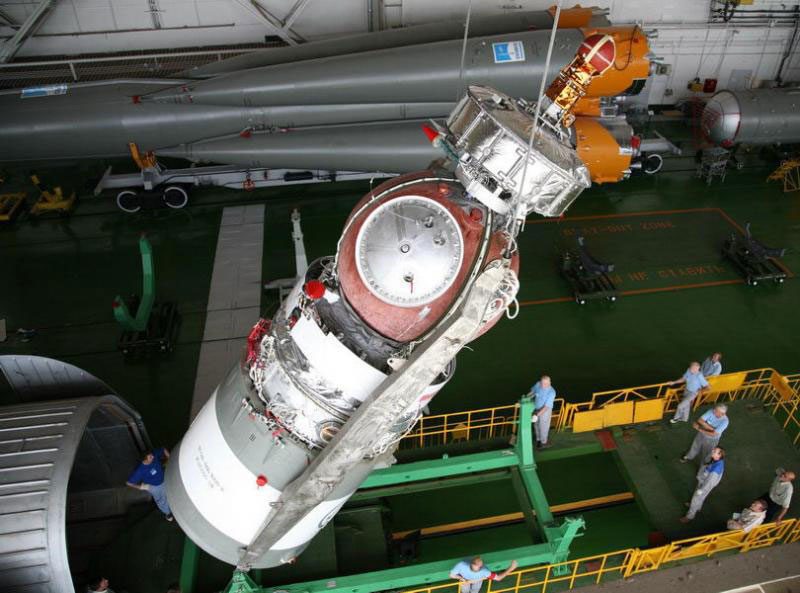
YES2 / Fotino
A 36 kg student-built tether satellite on ESA’s Foton-M3 mission that deployed a 32 km tether to deorbit the re-entry capsule “Fotino” – a Guinness World Record.
Read more
Space experiments and small satellites
JAXA sounding-rocket experiment that demonstrated the first deployment of a bare electrodynamic tape tether – a step towards propellantless propulsion in LEO.
On 31 August 2010, the space tether experiment “Tether Technologies Rocket Experiment” (T-REX), sponsored by the Japan Aerospace Exploration Agency (ISAS/JAXA), was launched on sounding rocket S-520-25 from Uchinoura Space Center, Japan, reaching a maximum altitude of 309 km.
T-REX was developed by an international team led by the Kanagawa Institute of Technology/Nihon University to test a new type of electrodynamic tether (EDT) that may lead to a generation of propellantless propulsion systems for LEO spacecraft. The 300 m long tape tether deployed as scheduled and a video of the deployment was transmitted to the ground. Successful tether deployment was verified, as was the fast ignition of a hollow cathode in the space environment.
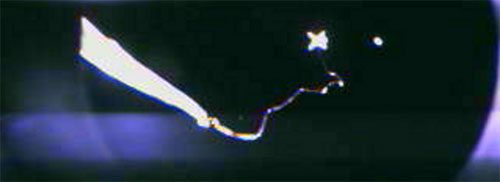
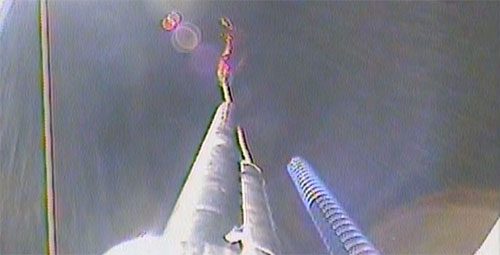
The experiment demonstrated a “Foldaway Flat Tether Deployment System”. The educational experiment featured the first bare tape tether deployment (i.e. without insulation, the tether itself acts as anode and collects electrons). 130 m of the total of 300 m of tether was deployed fire-hose style, purely driven by inertia and limited by friction, following a powerful, spring-initiated ejection. Accurate differential GPS data of the deployment was recorded, and video taken from the end-masses.
A 36 kg student-built tether satellite on ESA’s Foton-M3 mission that deployed a 32 km tether to deorbit the re-entry capsule “Fotino” – a Guinness World Record.
Read more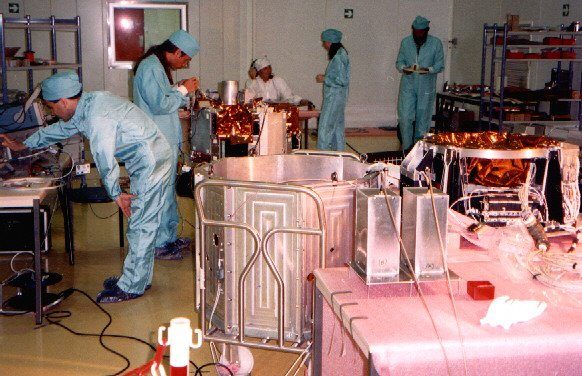
ESA’s first true skunkworks satellite, developed by Delta-Utec: a 200 kg satellite in GTO with a 35 km double-strand tether and a range of technology demonstrations.
Read more