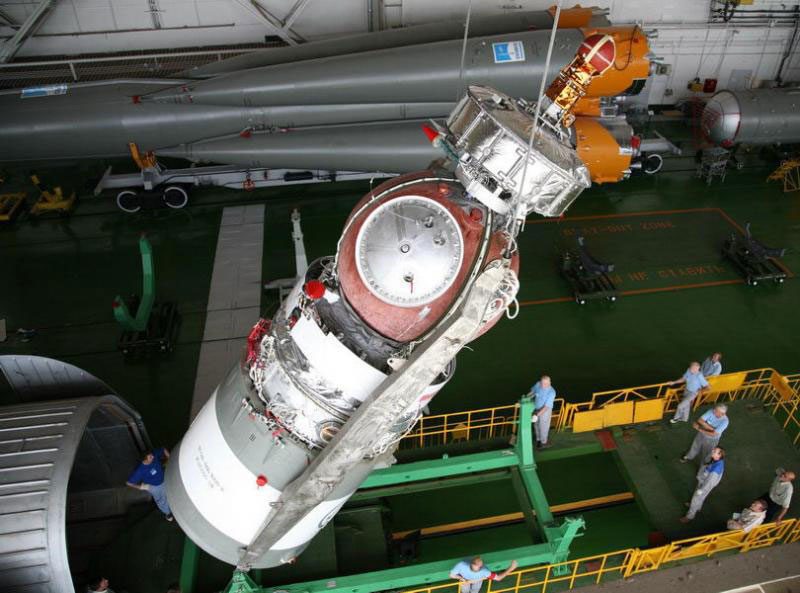
YES2 / Fotino
A 36 kg student-built tether satellite on ESA’s Foton-M3 mission that deployed a 32 km tether to deorbit the re-entry capsule “Fotino” – a Guinness World Record.
Read more
Space experiments and small satellites
ESA’s first true skunkworks satellite, developed by Delta-Utec: a 200 kg satellite in GTO with a 35 km double-strand tether and a range of technology demonstrations.
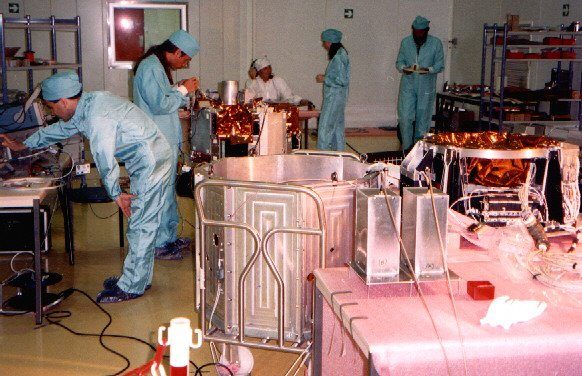
In 1997, the European Space Agency launched its first true skunkworks satellite, developed by Delta-Utec: the Young Engineers’ Satellite (YES), of about 200 kg, sent into Geostationary Transfer Orbit (GTO) with a 35 km double-strand tether, and planning to deorbit a probe at near-interplanetary speed by swinging deployment of the tether system.
It successfully performed a number of technology demonstration experiments, such as a commercial computer (PC104) and CCD camera payload, student-developed sun sensors, radiation experiments (scintillating fibres, RADFET) and the first GPS operational beyond the GPS constellation. A space computer (JORIS!) with RISC processor and FPGA was also developed, qualified and flown.
The tether experiment was prepared in simulation and hardware, tested extensively in on-ground facilities and launched. However, due to the unfavourable orbit that was reached, the tether experiment could not be safely performed and it was cancelled.
A 36 kg student-built tether satellite on ESA’s Foton-M3 mission that deployed a 32 km tether to deorbit the re-entry capsule “Fotino” – a Guinness World Record.
Read more
JAXA sounding-rocket experiment that demonstrated the first deployment of a bare electrodynamic tape tether – a step towards propellantless propulsion in LEO.
Read more